 FourFaith IoT
How to Choose a Radar Water Level Sensor
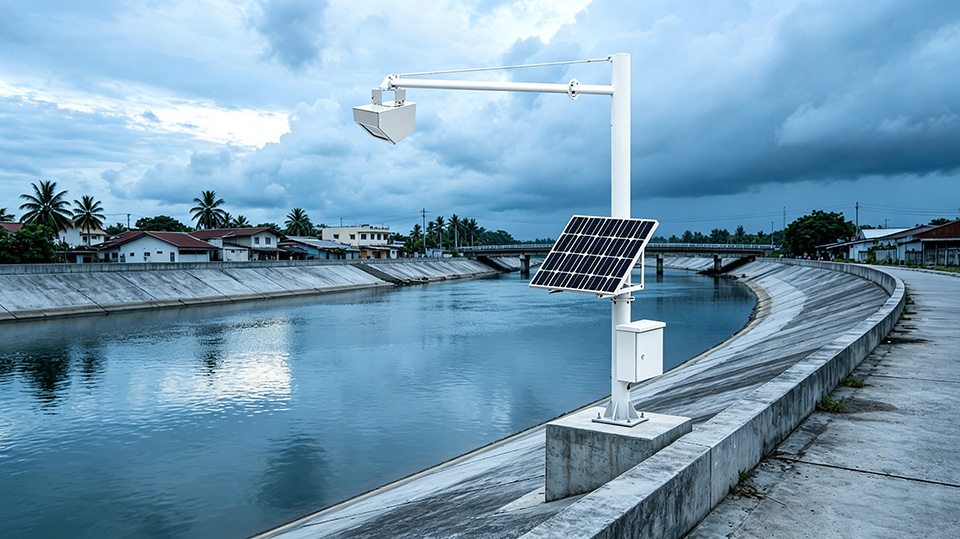
Radar water level sensors have largely replaced traditional float, bubble, and ultrasonic sensors in industrial applications. This guide helps you choose the right model for your deployment.
1. Frequency: 24GHz vs 80GHz
24GHz radar is the legacy standard — longer range (up to 70m) but wider beam angle (8-12°). 80GHz is the modern choice — narrower beam (5-8°), better accuracy (±2mm vs ±5mm), and immune to fog/rain. For most water applications, 80GHz is the better choice.
2. Beam Angle Matters
A narrower beam is critical when measuring in narrow channels, near walls, or with floating debris. 80GHz radar's 5-8° beam dramatically reduces false echoes from banks and structures.
3. Accuracy Requirements
±2mm is overkill for flood warning (where ±10mm suffices) but essential for water treatment plant inflow measurement. Match accuracy to your application to avoid overpaying.
4. Output Interface
RS485 Modbus is the most common, supported by all SCADA systems. 4-20mA is preferred for legacy analog systems. SDI-12 is standard for environmental monitoring (USGS, etc.). Newer systems should also consider MQTT over 4G/LoRa for direct cloud integration.
5. Power & Solar
Modern radar sensors draw 1W average, enabling solar + battery deployment for off-grid sites. Verify the sensor's sleep current and wake-up time — some models draw 50mA continuously which is unsuitable for solar.
6. Environmental Protection
IP68 is essential for sensors near water (not just IP67). Look for PTFE or stainless steel radome for corrosive water (sewage, seawater, chemical outfalls).
7. Configuration Method
Bluetooth configuration is now standard and saves significant time during deployment. Avoid sensors that require physical buttons or DIP switches — these are operational hazards in field installations.
Have Questions About This Topic?
Our engineers are ready to help with your specific deployment.
Talk to an Engineer →